





What Mileage Is Too High for a Used Truck in Ohio?
- Maintenance history is more critical for truck longevity than the odometer reading.
- Diesel trucks commonly reach 300,000+ miles, while gas trucks often hit 200,000.
- Prioritize rust inspections over mileage when buying used trucks in the Ohio Salt Belt.
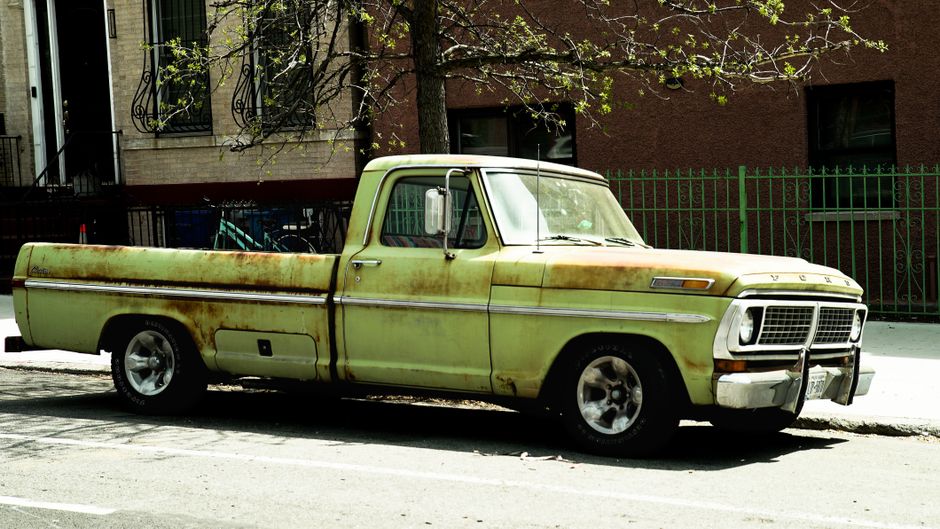
What Mileage Is Too High for a Used Truck in Ohio?
Shopping for a used truck inevitably brings up the mileage question. Most buyers get hung up on that odometer number, treating it like the holy grail of value assessment. But here’s the thing: it’s way more complicated than that. A truck’s remaining life depends on several factors that can matter just as much (or more) than those miles. At Findlay Chrysler Dodge Jeep Ram, we help Ohio buyers understand what truly determines value when browsing our used truck inventory.
Ohio truck buyers deal with some unique challenges. You’ve got everything from Cleveland’s urban sprawl to rural farmland and industrial zones scattered throughout the state. Each environment puts different demands on trucks. A truck that spent its life cruising highways along I-70 and I-71 faces completely different stress than one that’s been bouncing around construction sites or crawling through Toledo traffic jams. This means figuring out what mileage is too high really requires looking at the bigger picture.
Why Mileage Alone Doesn’t Tell the Whole Story
That odometer reading? It’s just one piece of the puzzle. We’ve seen trucks with identical mileage where one’s got years of life left and the other’s ready for the scrap heap. The difference usually comes down to how they were treated.
Today’s trucks are tougher than ever. Many well-maintained gas-powered trucks can reach 200,000 miles, though that typically requires consistent upkeep and some investment in repairs along the way. Diesel engines? They are more durable by design, with well-maintained examples commonly reaching 300,000 miles and some exceeding that with proper care. The engine type, manufacturer quality, and overall build standards all play major roles in longevity.
But here’s what really matters: maintenance trumps mileage every single time. Regular oil changes, staying on top of repairs, and following service schedules create the foundation for a long-lasting truck. A truck with detailed service records tells you more about its future than any mileage number ever could.
Highway Miles vs. City Miles: A Critical Distinction
All miles aren’t created equal, and this distinction is huge. Highway miles are relatively easy on trucks. Steady cruising on routes like I-70 and I-71 lets engines operate in their sweet spot, keeps transmissions in higher gears, and gives brakes a break. This type of driving minimizes wear on key components. Highway-focused diesel trucks can exceed 300,000 to 500,000 miles with proper care. Gas-powered trucks driven primarily on highways can realistically reach 200,000 to 250,000 miles under the same conditions.
City driving is the opposite story. Stop-and-go traffic, constant acceleration and braking, extended idling (all of this beats up engines, transmissions, and brake systems). A truck might work twice as hard to cover the same distance in city conditions, accelerating brake and transmission wear significantly.
When you’re checking out used trucks, dig into how they were typically used. A former highway hauler or commuter vehicle likely has less component wear than something used for local deliveries or job site duty. This context changes everything about whether the mileage is acceptable.
Ohio Weather and Its Impact on Truck Longevity
Ohio’s weather doesn’t do vehicles any favors. As part of the Salt Belt, winter road salt is ruthless on metal components, eating away at frames, brake lines, and body panels. Temperature fluctuations stress suspension and rust-proofing, while short trips in wet, salted conditions cause more corrosion than highway use. Any truck that’s survived multiple Ohio winters will show some battle scars, regardless of mileage.
Summer humidity speeds up rust formation, particularly on trucks without good undercoating protection. These environmental factors mean Ohio trucks might need closer scrutiny than similar vehicles from gentler climates.
Always check underneath any used truck for salt-induced rust damage. Some surface rust on exhaust parts is normal, but corrosion on frame rails, suspension mounts, or brake lines spells trouble. As an Ohio buyer, prioritizing rust inspection over obsessing about mileage numbers just makes sense.
Understanding Mileage Ranges: What to Expect at Each Stage
Different mileage brackets have their own characteristics and potential issues. Knowing what’s typical helps set realistic expectations.
Mileage Range
Expected Condition in Ohio
Key Longevity Factors
Under 75,000
Excellent; like-new performance
Minimal weather exposure; full service history
75,000–150,000
Strong; routine maintenance covers wear
Highway bias reduces salt damage; check rust
150,000+
Reliable if cared for; inspect for frame rust and deferred maintenance
Proven durability in winters; inspect frame/suspension
Lower Mileage Trucks (Under 75,000 Miles)
These trucks usually need minimal immediate work beyond regular maintenance. They often carry remaining manufacturer warranty or qualify for certified pre-owned programs. Low mileage appeals to buyers wanting maximum remaining life and minimal short-term repair bills.
Low mileage isn’t automatically perfect, though. Sometimes trucks don’t rack up miles because of problems or because they sat unused for long stretches. Extended sitting can hurt seals, hoses, and fluids. Always find out why a truck has unusually low mileage for its age.
Expect to pay a premium for lower mileage trucks. You’ll need to decide whether the extra cost makes sense compared to a higher-mileage option with solid maintenance records. Sometimes that well-cared-for truck offers better long-term value.
Mid-Range Mileage Trucks (75,000–150,000 Miles)
This range hits the sweet spot for many buyers. You get proven reliability while avoiding the premium pricing of low-mileage options. Trucks here have shown they can last while still offering plenty of service life ahead.
Expect some maintenance needs in this territory.Many trucks need brake work or suspension components around the 100,000-mile mark. Timing belt replacement intervals vary by manufacturer, typically between 60,000 and 105,000 miles, so check your specific model’s service schedule rather than waiting for a round number. Factor these potential costs into your budget. A good pre-purchase inspection from our service team reveals what’s urgently needed.
This mileage range often represents the best value because you’re getting proven reliability without paying premium prices. Well-maintained trucks can reach 200,000 to 300,000 miles or more, meaning these vehicles have substantial life remaining.
Higher Mileage Trucks (150,000+ Miles)
Trucks over 150,000 miles can still be solid purchases with proper maintenance. Major components like transmissions and differentials might need attention in this range. However, if this work was recently done, you could be looking at excellent value. Diesel trucks can deliver 350,000 to 500,000 miles with proper maintenance.
Buying high mileage means accepting more maintenance responsibility. Budget for repairs and be ready to invest in upkeep. Service records become crucial for understanding what’s been done and what might be coming due.
High mileage trucks work well for mechanically inclined buyers or those needing a work truck for specific projects. They can also serve as learning opportunities if you’re willing to wrench on them yourself. The key is knowing what you’re getting into and planning accordingly.
What Matters More Than the Odometer
Several factors deserve equal or greater weight than mileage when evaluating used trucks.
Service Records and Maintenance History
Complete service records paint the clearest picture of a truck’s condition. Regular oil changes, scheduled maintenance, and prompt repairs show an owner who cared about their vehicle. These records reveal whether the truck received manufacturer-recommended service at proper intervals.
Look for evidence of major services being completed. Transmission fluid changes, differential service, coolant system flushes, and timing belt replacements all extend vehicle life. Trucks missing documentation for these services may be facing deferred maintenance bombs waiting to explode.
Service history matters more than mileage because it shows how the truck was treated. A pampered truck with 180,000 miles will outlast a neglected one with 60,000 miles almost every time.
Ownership History and How the Truck Was Used
Single-owner trucks often receive more consistent care than vehicles that changed hands frequently. Long-term owners develop relationships with their trucks and tend to stay current on maintenance. They typically have complete records and can answer detailed questions about the vehicle’s history.
Usage patterns significantly impact condition. Commercial fleet vehicles pile on miles quickly but usually get regular professional maintenance. Personal trucks might have spotty service but potentially easier lives. Work trucks take harder abuse but are designed to handle tough conditions.
Ask sellers about typical usage. Knowing whether a truck hauled heavy loads, pulled trailers, or served as a daily driver helps assess whether the wear seems appropriate for the displayed mileage.
Key Systems to Inspect on Any Used Truck
Certain components need close attention regardless of mileage:
Frame and undercarriage: Check for salt-induced rust on frame rails, suspension mounts, and brake lines
Engine condition: Look for oil leaks, listen for unusual noises, and watch exhaust smoke color during startup and acceleration
Transmission performance: Test shifts under various conditions; shifts should feel smooth and responsive in all gears
Suspension and brakes: Examine for highway versus pothole wear, worn bushings, ball joints, and shock absorbers
Engine and transmission fluids: Verify maintenance for cold starts and proper operation
Cooling and exhaust systems: Inspect for winter corrosion damage
Electrical systems: Test all lights, windows, locks, and climate control
Body and frame integrity: Use a magnet to detect body filler; check for paint overspray and uneven panel gaps
Red Flags That Outweigh Mileage Concerns
Some warning signs indicate problems serious enough to walk away from any deal:
Incomplete or falsified service logs: Lack of documentation means you’re buying on faith rather than facts
Evidence of heavy towing or farm use without upgrades: This accelerates wear on key components
Visible frame rust or accident repairs: Extensive rust damage threatens safety and can cost more to fix than the truck is worth
Mismatched tire wear indicating alignment neglect: Suggests deferred maintenance in other areas
Multiple previous owners in short timeframe: Several people dumping the truck quickly suggests potential issues
Sketchy modifications or obvious repair work: Poorly done modifications create new headaches
Sellers who won’t allow pre-purchase inspections: Legitimate sellers understand buyers need verification
Find a Well-Maintained Used Truck at Findlay CDJR
Understanding high mileage helps you focus on what really determines value. At Findlay Chrysler Dodge Jeep Ram, we specialize in quality pre-owned vehicles with transparent history and maintenance documentation. Our inventory spans all mileage ranges, with each truck carefully evaluated to meet our standards.
Quality Inventory With Transparent History
Our team at 10305 U.S. 224 West, Findlay, Ohio knows that buying higher mileage requires confidence in the vehicle’s condition. We provide comprehensive vehicle reports and welcome pre-purchase inspections. Our service department thoroughly evaluates every used truck, addressing maintenance needs before vehicles hit our lot.
Visit Us or Explore Financing Options
Visit us Monday through Thursday 9:00 AM to 7:00 PM, Friday until 6:00 PM, or Saturday 9:00 AM to 3:00 PM to check out our selection. Our financing team helps secure competitive rates regardless of your mileage preference. We handle trade appraisals and offer financing solutions tailored to your situation.
Find the Right Truck for Your Needs
Whether you want lower mileage trucks under 75,000 miles or are seeking value in well-maintained higher mileage options, explore our inspected used trucks to find what meets your needs. Call us at 419-423-1715 or contact our team to discuss your truck search. We’ll give you straight answers about vehicle condition, maintenance history, and what to expect from trucks at various mileage levels.
The right truck depends on your specific needs, budget, and intended use. Let us help you find a vehicle that delivers reliable service for years to come, regardless of what that odometer shows.
Frequently Asked Questions
Is 150,000 miles too high for a used truck in Ohio?
Not necessarily. At Findlay Chrysler Dodge Jeep Ram, we see many trucks with over 150,000 miles that remain reliable if they have documented service histories and minimal frame rust from Ohio winters.
How many miles can a diesel truck last compared to a gas truck?
Diesel engines are designed for durability, often reaching 300,000 to 500,000 miles with proper care. Gas-powered trucks typically reach the 200,000 to 250,000-mile range under similar maintenance schedules.
What should I look for when inspecting a high-mileage truck’s undercarriage?
In Ohio, check for salt-induced corrosion. While surface rust on the exhaust is common, heavy pitting or rot on the frame rails, suspension mounts, and brake lines are red flags regardless of mileage.
Why are highway miles better than city miles for a used truck?
Highway miles allow the engine and transmission to operate at steady temperatures with minimal shifting and braking. City driving involves frequent stop-and-go cycles that accelerate wear on the powertrain and brakes.
Photo by Mikael Varosyan on Pexels. Free to use under the Pexels License.
0 comment(s) so far on What Mileage Is Too High for a Used Truck in Ohio?