




Used Jeep Grand Cherokee for Sale in Findlay, OH: What to Check Before You Buy
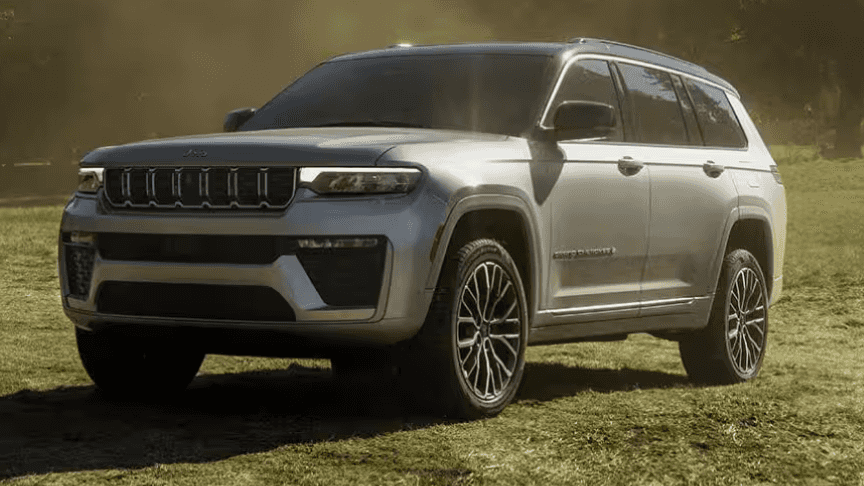
A used Jeep Grand Cherokee can be a practical choice for Ohio drivers who want SUV versatility, available four-wheel-drive capability and a comfortable cabin without purchasing a brand-new vehicle. However, model year, mileage, trim level, drivetrain and previous maintenance can make two seemingly similar Grand Cherokee SUVs very different purchases.
Before choosing a pre-owned SUV, it helps to understand which features fit your lifestyle and what to inspect during the shopping process. Drivers can begin by browsing the current used vehicle inventory at Findlay Chrysler Dodge Jeep Ram and reviewing available Jeep Grand Cherokee models, vehicle history information and equipment details.
Why Consider a Used Jeep Grand Cherokee?
The Jeep Grand Cherokee appeals to shoppers who want more capability and interior flexibility than many smaller crossovers provide. Depending on the model year and configuration, a used Grand Cherokee may offer available four-wheel drive, multiple trim levels, towing capability when properly equipped and a range of comfort and technology features.
A used Grand Cherokee may be a good fit for drivers who need:
- A comfortable SUV for commuting around Findlay
- Available four-wheel drive for changing Ohio road conditions
- Passenger and cargo space for family travel
- An SUV capable of towing when properly equipped
- A vehicle for highway trips and weekend recreation
- More available luxury features than a basic compact crossover
- A choice of model years, trims and price points
Buying used may also allow shoppers to consider a higher trim level or additional equipment while staying within their target budget. The right value depends on the vehicle’s age, condition, mileage, ownership history and current market demand.
Choose the Right Grand Cherokee Size and Configuration
Before comparing individual listings, determine how much passenger and cargo space you actually need. The standard Jeep Grand Cherokee is generally configured as a two-row SUV, while the Grand Cherokee L provides a longer body and three rows of seating.
Two-Row Jeep Grand Cherokee
The two-row Grand Cherokee may be the better choice for shoppers who prioritize easier maneuverability, generous space for five passengers and flexible cargo room without needing a third row.
It may suit:
- Individuals and couples
- Families that do not regularly need more than five seats
- Drivers who want a midsize SUV for commuting and travel
- Owners who need cargo space for groceries, luggage or outdoor equipment
Three-Row Jeep Grand Cherokee L
The Grand Cherokee L adds a third row and may offer seating for up to seven passengers, depending on the second-row configuration. It may be better for larger families, carpooling or shoppers who occasionally need additional passenger capacity.
Before choosing the three-row version, sit in every seating position and check how much cargo room remains when the third row is in use. Also test how easily passengers can enter and exit the rear seating area.
Compare Jeep Grand Cherokee Trim Levels
Grand Cherokee trim names and equipment can change from one model year to another. Buyers should review the original window sticker, vehicle description and installed options instead of assuming that every vehicle with the same trim name includes identical features.
Laredo and Related Entry-Level Trims
Laredo-based models typically focus on core Grand Cherokee comfort, utility and technology. They may appeal to shoppers who want a well-equipped SUV without paying for every premium feature.
Depending on the model year and package, available features may include:
- Touchscreen infotainment
- Smartphone connectivity
- Driver-assistance technology
- Four-wheel-drive availability
- Power-adjustable seating
- Remote start
Limited
The Limited trim generally adds comfort and convenience equipment. Depending on the year and configuration, it may include upgraded upholstery, heated seating, additional driver-assistance features or a more advanced infotainment system.
A used Grand Cherokee Limited can be a strong middle-ground option for shoppers who want premium features without moving to the highest trim levels.
Overland
Overland models typically emphasize upscale interior appointments and available capability features. Equipment may vary, but shoppers may find upgraded seating materials, larger displays, premium audio, advanced four-wheel-drive hardware or an adjustable suspension system.
Summit and Summit Reserve
Summit-level models are generally positioned near the luxury end of the Grand Cherokee lineup. They may include higher-grade cabin materials, additional technology, premium audio and expanded safety or driver-assistance features.
These trims may cost more to purchase and may include more complex equipment, so buyers should confirm that every premium feature operates correctly.
Trailhawk
The Trailhawk is intended for drivers who place greater emphasis on off-road capability. Depending on the model year, it may include specialized four-wheel-drive equipment, all-terrain tires, underbody protection and terrain-management technology.
A Trailhawk may be worthwhile for buyers who expect to use its capability. Shoppers primarily interested in highway comfort may prefer a Limited, Overland or another road-oriented configuration.
Check the Vehicle’s Mileage and Maintenance History
Mileage is important, but it should not be evaluated by itself. A higher-mileage vehicle with consistent maintenance may be a better purchase than a lower-mileage SUV with missing records, long service gaps or signs of neglect.
Ask whether maintenance records are available and review the vehicle history report when provided. Look for evidence of regular services such as:
- Oil and filter changes
- Brake inspections and service
- Tire rotations and replacements
- Battery replacement
- Coolant and fluid maintenance
- Recommended drivetrain service
- Recall-related repairs
The appropriate maintenance schedule depends on the specific model year, engine, drivetrain and operating conditions. Review the owner’s manual for the vehicle you are considering rather than relying on a general schedule for every Grand Cherokee.
Inspect the Tires, Brakes and Suspension
Tires and brakes are normal wear items, but replacing them soon after purchase can affect the true cost of a used vehicle. Inspect all four tires rather than checking only the easiest one to see.
Look for:
- Adequate and relatively even tread depth
- Cracking, bulges or sidewall damage
- Uneven wear along the inside or outside edges
- Mismatched tire brands, sizes or tread patterns
- Vibration while driving
- Pulling during braking
- Grinding, squealing or pulsation from the brakes
Uneven tire wear does not automatically mean the vehicle has a major problem, but it may indicate an alignment, suspension or tire-maintenance issue that deserves closer inspection.
During the test drive, listen for clunks or rattles while traveling over uneven pavement. Pay attention to whether the SUV feels stable and whether it returns to a straight path without constant steering correction.
Evaluate the Four-Wheel-Drive System
Many used Grand Cherokee shoppers specifically want four-wheel drive for winter travel, towing or recreational use. However, the exact system can vary by model year, trim and equipment package.
Confirm whether the vehicle is two-wheel drive or four-wheel drive, and identify the specific system installed. Depending on the configuration, the SUV may also offer selectable terrain modes, low-range gearing or additional traction-management equipment.
During your inspection:
- Check the dashboard for four-wheel-drive warning lights
- Confirm that drive modes can be selected as intended
- Listen for unusual drivetrain noises
- Ask whether the system has received recommended maintenance
- Review the owner’s manual before testing specialized settings
Do not engage low-range or specialized off-road modes on dry pavement unless the owner’s manual specifically permits it. A dealership representative can explain the proper operation of the system installed in the vehicle.
Match the Grand Cherokee to Your Towing Needs
A properly equipped Jeep Grand Cherokee may be capable of towing a utility trailer, boat or recreational equipment, but capacity varies considerably among model years, engines and configurations.
Do not assume that every Grand Cherokee has the same towing rating. Before buying, verify:
- The engine and drivetrain
- The vehicle’s specific tow rating
- Whether factory towing equipment is installed
- The trailer hitch and wiring configuration
- The vehicle’s payload limits
- The trailer’s loaded weight and tongue weight
The maximum advertised towing figure may not apply to the exact used SUV you are considering. Always confirm the rating using the vehicle identification number, equipment information, owner’s manual and applicable towing documentation.
Inspect any installed hitch for corrosion, damage or signs of heavy use. Previous towing is not necessarily a concern when the vehicle was used and maintained properly, but it is helpful context when evaluating condition.
Test the Interior Technology and Comfort Features
Grand Cherokee models may include a wide range of convenience and technology features. During a test drive, operate the equipment rather than simply confirming that it appears on the listing.
Check features such as:
- The infotainment touchscreen
- Apple CarPlay or Android Auto compatibility
- Bluetooth calling and audio
- USB ports and power outlets
- Navigation, if equipped
- Rearview and available surround-view cameras
- Parking sensors
- Heated or ventilated seats
- Power seat adjustments
- Remote start
- Power liftgate operation
- Climate-control functions
- Sunroof or panoramic roof operation
Look closely at the touchscreen for delayed responses, blank areas or damage. Connect your phone to confirm that the system works with the device you use every day.
If the vehicle includes multiple climate zones, test the controls from the front and rear seating areas. Also inspect the upholstery, carpeting, headliner and cargo area for excessive wear, moisture or odors.
Look for Signs of Water Leaks or Exterior Damage
Inspect the Grand Cherokee in daylight when possible. Walk around the vehicle and compare the paint finish across the hood, doors, fenders and rear panels.
Items worth checking include:
- Paint color or texture differences between panels
- Uneven gaps around doors, the hood or liftgate
- Cracked lamps or damaged trim
- Windshield chips or cracks
- Rust or corrosion around exposed areas
- Moisture around the headliner, carpeting or cargo area
- Condition of weather seals around doors and windows
A previous repair does not automatically make a vehicle unsuitable, but shoppers should understand the extent of any reported damage and confirm that repairs were completed appropriately.
Review the Vehicle History Report Carefully
A vehicle history report can provide useful information about reported accidents, title history, odometer records, previous ownership and documented service. However, it should be treated as one part of the inspection rather than a substitute for examining the vehicle.
When reviewing the report, pay attention to:
- The number and type of previous owners
- Personal, commercial or rental use
- Reported accidents or damage
- Title status
- Registration locations
- Service entries
- Mileage consistency
Ask questions about any unexplained gaps or unusual entries. A clean report can be reassuring, but not every repair or maintenance event is necessarily reported.
What to Check During the Test Drive
A useful test drive should include more than a quick trip around the block. When possible, drive on streets similar to those you use regularly and include both lower-speed and highway driving.
During the test drive, evaluate:
- Cold-start behavior
- Engine smoothness and acceleration
- Transmission shifting
- Steering response
- Brake feel
- Ride comfort
- Road and wind noise
- Visibility from the driver’s seat
- Parking and turning radius
- Dashboard warning lights
- Driver-assistance features
Turn the audio system down for part of the drive so you can listen for mechanical noises. After driving, look underneath the SUV for visible fluid leaks and note any unusual smells.
Calculate More Than the Purchase Price
The advertised price is only one part of the cost of owning a used SUV. Before making a decision, consider:
- Down payment
- Estimated monthly payment
- Loan term and interest rate
- Insurance cost
- Fuel requirements
- Expected maintenance
- Tire and brake condition
- Registration and applicable taxes
- Optional protection products
A less expensive vehicle may not provide better overall value if it immediately needs tires, brakes or deferred maintenance. Compare the condition and equipment of each SUV alongside its price.
Shoppers can complete Findlay CDJR’s online finance application to begin exploring available financing options. Approval, interest rates and final loan terms depend on the applicant, lender requirements and vehicle details.
Should You Trade In Your Current Vehicle?
Trading in a current car, truck or SUV may help reduce the amount you need to finance. Before visiting the dealership, gather basic information such as the vehicle identification number, mileage, service history and loan payoff amount, if applicable.
You can begin with Findlay CDJR’s online trade-in value tool. The initial estimate can help with planning, but the final offer may depend on an in-person inspection, vehicle condition, equipment and current market demand.
Clean out personal belongings and bring available keys, service records and ownership documents. Providing complete information can help make the appraisal process more efficient.
Frequently Asked Questions About Buying a Used Jeep Grand Cherokee
Is mileage the most important factor when buying a used Grand Cherokee?
Mileage is important, but maintenance history, condition, previous use and equipment should also influence the decision. A well-maintained vehicle with somewhat higher mileage may be preferable to a lower-mileage SUV with incomplete service records.
Should I choose two-wheel drive or four-wheel drive?
Two-wheel drive may suit shoppers who primarily drive on paved roads and do not need additional traction capability. Four-wheel drive may be preferable for drivers who expect winter travel, recreational use or changing road conditions. The right choice depends on your driving habits and budget.
What is the difference between the Grand Cherokee and Grand Cherokee L?
The standard Grand Cherokee is generally a two-row SUV, while the Grand Cherokee L has a longer body and a third row. Buyers should compare passenger capacity, cargo room and maneuverability before choosing between them.
Can a used Jeep Grand Cherokee tow?
Many Grand Cherokee models can tow when properly equipped. Capacity varies by model year, engine, drivetrain and equipment, so verify the rating for the exact vehicle before attaching a trailer.
Which used Grand Cherokee trim should I buy?
The appropriate trim depends on your priorities. Laredo-based trims may provide practical everyday features, Limited may add comfort equipment, Overland and Summit models generally emphasize premium amenities, and Trailhawk models focus more heavily on off-road capability.
Should I get a pre-purchase inspection?
An inspection can provide additional information about a used vehicle’s current condition, especially when maintenance records are incomplete or the SUV has modifications. Discuss inspection options and any applicable dealership policies before finalizing the purchase.
Shop for a Used Jeep Grand Cherokee in Findlay, OH
The right used Jeep Grand Cherokee should fit your passenger needs, driving conditions, feature preferences and budget. Compare model years and trims carefully, review the maintenance and vehicle history information, and test every major feature before making a decision.
Explore Findlay Chrysler Dodge Jeep Ram’s current pre-owned inventory and review the dealership’s used Jeep Grand Cherokee shopping resource. Inventory, pricing and vehicle availability may change as models are sold or added.
When you find a Grand Cherokee that matches your needs, contact Findlay Chrysler Dodge Jeep Ram to confirm availability, request additional vehicle information or arrange a test drive in Findlay, Ohio.
0 comment(s) so far on Used Jeep Grand Cherokee for Sale in Findlay, OH: What to Check Before You Buy